Observable by Default
Health, latency, errors and important business events should be measurable and reviewable.

Avermont’s technology architecture supports market data, derivatives analytics, execution workflows, risk controls, reporting and operational monitoring. The goal is dependable infrastructure that remains understandable as the business grows.
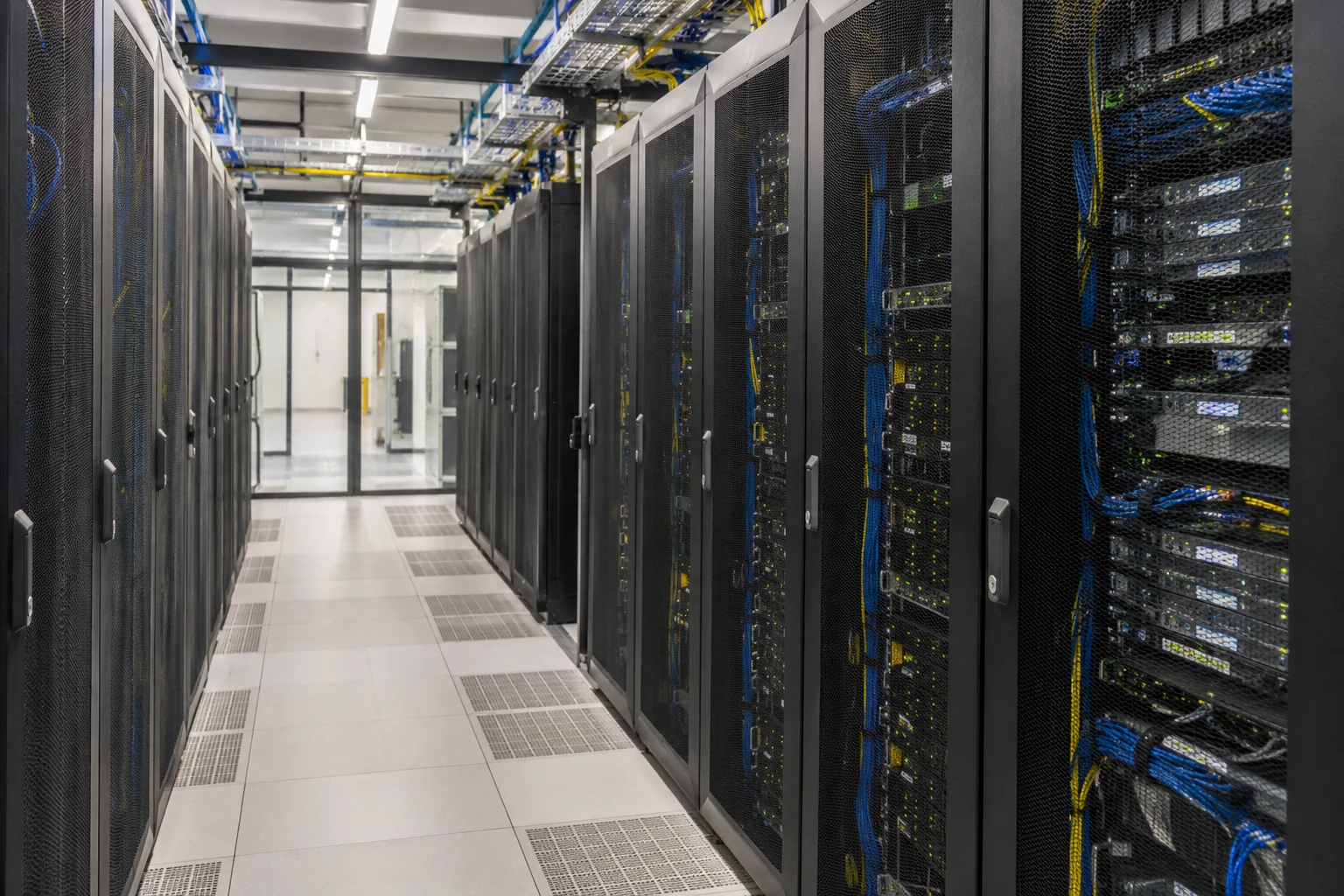
Technology is organized around the way financial work actually happens: ingest data, normalize it, analyze it, act on it, control the action and preserve the record.
Dashboards, reporting, workflow views and internal decision tools.
Limits, approvals, monitoring, alerts, entitlements and auditability.
RFQ, routing, orders, lifecycle events and operational processes.
Options analytics, scenarios, portfolio risk, market structure and research tooling.
Consistent schemas across venues, instruments, prices, volumes and reference data.
Public and private market connections, secure services, logging and resilient compute.
In market infrastructure, technical resilience and risk discipline are closely linked. A system should fail visibly, recover predictably and leave enough evidence to understand what happened.
Health, latency, errors and important business events should be measurable and reviewable.
Permissions are scoped to the minimum required for a role, service or workflow.
Production changes should be traceable, tested and reversible where practical.
Critical workflows should remain understandable when an upstream service is unavailable.
Important numbers should have a known source, transformation path and timestamp.
Backups, runbooks, incident response and recovery objectives are part of system design.
Rather than build technology as a separate department project, Avermont’s systems are mapped to concrete market and control workflows.